
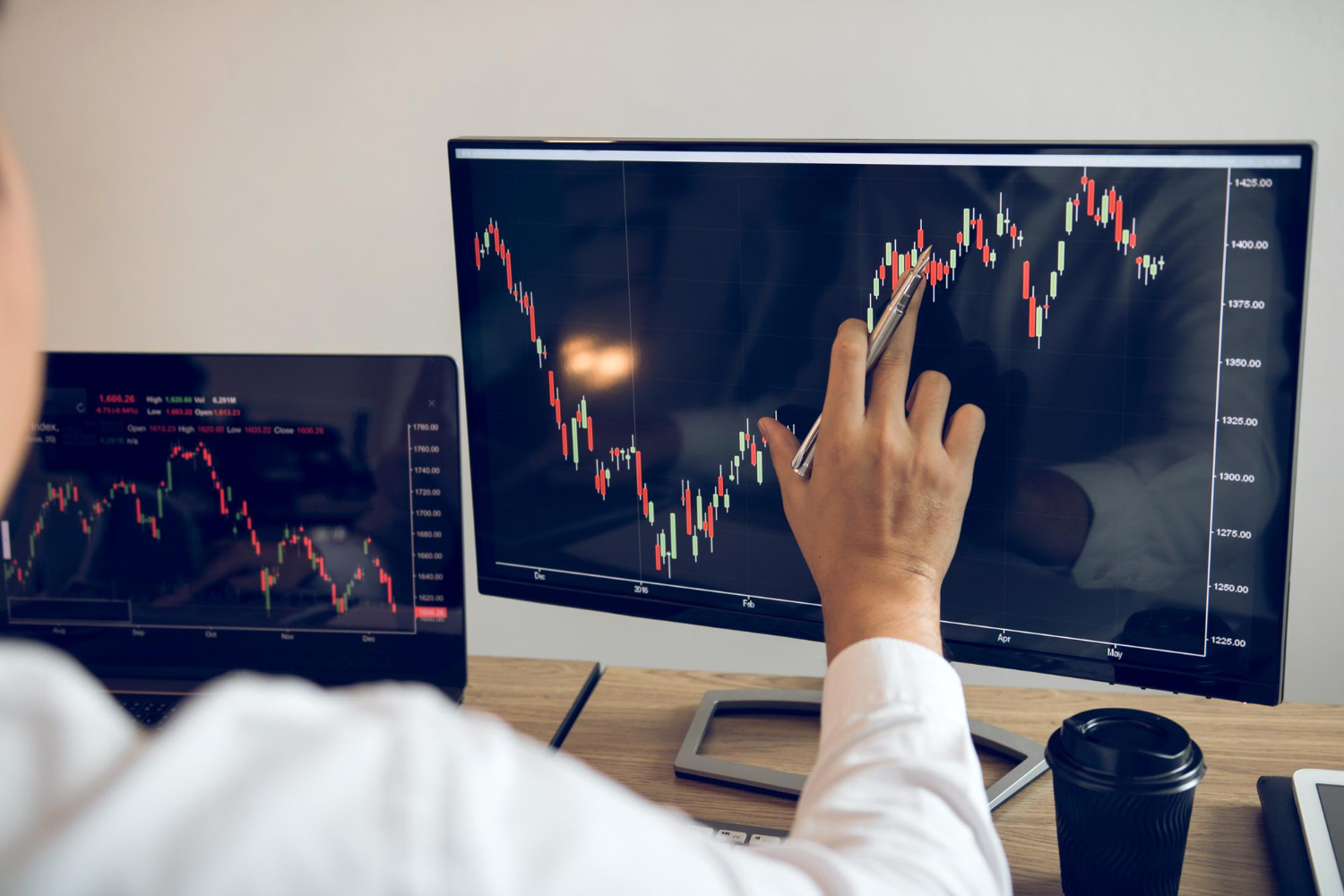
Navigating the world of trading can be a complex endeavor, particularly when it comes to selecting the appropriate broker. A trading broker plays a pivotal role in an investor’s journey, acting as the intermediary between the individual and the financial markets. This overview outlines critical factors to consider, including regulation, trading platforms, and fees. It also provides a comparison of leading brokers in the Philippines and offers guidance on the steps necessary to identify the ideal broker for your trading requirements. Regardless of whether one is a novice or an experienced trader, comprehending these elements will enable individuals to make well-informed decisions.
Understanding the Role of a Trading Broker
In the dynamic landscape of online trading, a trading broker functions as a crucial intermediary between traders and the financial markets, facilitating various types of transactions involving assets such as shares, forex, commodities, and cryptocurrencies.
These brokerage firms not only grant access to trading platforms but also provide essential tools and resources that enable investors to navigate market volatility with greater efficacy.
Regulated brokers adhere to local trading regulations, such as those established by the Philippine Securities and Exchange Commission, thereby enhancing the overall user experience and ensuring a secure environment for executing trades. By comprehending the diverse roles of a trading broker, traders can optimise their trading strategies and enhance their overall trading performance.
What is a Trading Broker and What Do They Do ?
A trading broker is a financial institution that offers a platform for traders to buy and sell a variety of financial instruments, including foreign exchange (forex), shares, commodities, and cryptocurrencies. These brokers facilitate transactions by providing access to advanced trading platforms that are equipped with an array of tools and indicators designed to assist traders in analysing market trends and making informed decisions. Along with offering a diverse range of financial instruments, trading brokers are instrumental in providing market access and a robust infrastructure that supports seamless transaction processes.
These entities often feature sophisticated trading tools, such as charting software and technical indicators, which enhance a trader’s capability to perform comprehensive market analysis. Furthermore, trading brokers typically offer educational resources and customer support, giving the power to clients to develop and refine their trading strategies. This extensive support not only assists novice traders in navigating the complexities of the market but also benefits experienced participants by optimising their overall trading performance.
Key Factors to Consider When Choosing a Trading Broker
When selecting a trading broker, several critical factors must be considered, as they can significantly influence trading success. These factors include the broker’s regulatory status, the fees associated with trading, the range of account types available, and the overall user experience offered by their trading platforms. A reputable and regulated broker can provide assurance regarding the safety of your funds, while competitive trading fees and commissions can substantially impact overall profitability.
Regulation and Licences
Regulation and licensing are critical factors to consider when selecting a trading broker, particularly in the Philippines, where the Philippine Securities and Exchange Commission (PSEC) oversees the operations of financial institutions. Opting for a regulated broker ensures that trading activities are protected under rigorous trading regulations, thereby minimising risks associated with fraud and malpractice. This regulatory oversight is essential in enhancing trader safety, as it holds brokers accountable for their actions and their compliance with specific operational standards.
Traders can have increased confidence knowing that their funds are managed by firms that adhere to established licensing requirements and are subject to regular audits. A regulated broker typically offers greater transparency in market analysis and trading practices, which fosters trust within the trading environment. By reviewing client feedback, traders can assess the experiences of others, further reinforcing their decision to engage with a reputable broker that prioritises both security and customer support.
Trading Platform and Tools
The trading platform and tools provided by a broker are essential in shaping the overall user experience for traders. An effective trading platform should feature a user-friendly interface, advanced trading tools, and functionalities that accommodate both novice and experienced traders, including options for mobile and desktop trading. The importance of these platforms goes beyond mere aesthetics; they have a direct impact on trading capabilities and efficiency. Advanced charting software enables traders to analyse market trends with precision, while technical analysis indicators offer critical insights that inform trading decisions.
The integration of trading signals allows users to identify potential market movements in real time, thereby enhancing strategic planning. Additionally, robust account management features streamline the trading process, allowing users to effortlessly track their portfolio performance. By leveraging these tools, traders can position themselves to make more informed and timely decisions in an increasingly dynamic market.
Commission and Fees
Understanding the commissions and fees associated with trading is crucial for maximising profit margins. Brokers may impose various fees, including trade commissions, withdrawal fees, and minimum deposit requirements, all of which can significantly impact overall trading costs and profitability. These often-overlooked hidden costs play a vital role in determining net gains, particularly for traders who engage in frequent transactions.
For instance, although a low commission structure may initially appear attractive, the consideration of spreads and their fluctuations can substantially influence trading performance. Additionally, withdrawal fees can diminish hard-earned profits, especially for traders looking to transfer large sums promptly. A comprehensive understanding of the complete fee structure—encompassing the relationship between trading volume and commission rates, as well as any concealed charges—is essential for maximising returns in the competitive trading environment.
Customer Support and Education
Effective customer support and educational resources are essential elements that can significantly enhance a trader’s experience with a broker. High-quality customer support ensures that traders can promptly resolve issues, while comprehensive educational resources and trading education give the power to them to refine their trading strategies and deepen their market understanding.
In today’s fast-paced trading environment, access to robust customer support can greatly impact a trader’s experience, particularly when navigating the complexities of trading psychology and market fluctuations. Educational offerings, such as webinars and training materials, play a crucial role in assisting traders in developing sound trading strategies and maintaining discipline amid potential emotional challenges.
Furthermore, access to trading signal providers can support traders in making well-informed decisions, while performance tracking tools enable them to effectively measure their progress. A broker that prioritizes customer support and education not only enhances the trader’s confidence but also fosters long-term success in the marketplace.
Top Trading Brokers in the Philippines
Identifying the leading trading brokers in the Philippines necessitates a comprehensive evaluation of several factors, including regulatory compliance, user experience, trading features, and client reviews. Conducting a thorough comparison of brokers enables traders to make informed decisions regarding which reputable brokers provide the most suitable services tailored to their specific trading needs and preferences.
Comparison of Top Brokers and their Features
A comprehensive comparison of leading brokers in the Philippines highlights their distinct features, fee structures, and trading platforms, enabling traders to assess which brokers best align with their specific requirements. Key considerations, such as customer reviews, available trading tools, and the types of accounts offered, are instrumental in determining the appropriateness of a broker. Evaluating the regulatory status of brokers is crucial for ensuring that traders select a reliable partner for their investment endeavors. Traders frequently seek brokers that provide advanced market analysis tools, as these resources can significantly enhance their trading capabilities and inform their decision-making processes.
Whether an individual is a novice in need of educational resources or an experienced trader seeking sophisticated analytical instruments, a thorough understanding of each broker’s strengths and weaknesses can facilitate more knowledge-based decision making.
Furthermore, an efficient customer support system is essential for addressing issues promptly, thereby contributing to a more seamless trading experience.
Steps to Choosing the Right Trading Broker
Selecting an appropriate trading broker is a critical step that can significantly impact one’s online trading success. This process encompasses several essential steps, including:
- Evaluating individual trading requirements.
- Conducting comprehensive research on potential brokers.
- Gaining a thorough understanding of their offerings, such as various account types, trading tools, and security measures.
By adhering to these steps, traders can ensure they choose a broker that is aligned with their investment objectives and risk tolerance.
Assessing Your Own Trading Needs
Assessing one’s trading needs is a crucial initial step in selecting an appropriate trading broker. This process involves defining investment goals, understanding risk tolerance, and identifying the types of trading strategies that one intends to employ. Such a self-assessment enables individuals to seek brokers that offer tailored account types and services aligned with their specific trading profiles.
By dedicating time to evaluate these essential components, traders can enhance their overall performance and ensure that their broker selections correspond with their financial aspirations. A clear understanding of investment goals allows individuals to articulate their desired outcomes, whether those focus on capital appreciation or income generation.
Furthermore, recognising personal risk tolerance is vital for effectively navigating the inherent fluctuations of the market. Identifying effective trading strategies aids in the selection of brokers that provide competitive trading fees and robust account management tools. This ultimately contributes to a more informed and strategic approach to achieving trading objectives.
Researching and Evaluating Potential Brokers
Researching and evaluating potential trading brokers is a critical step in selecting a trading partner that aligns with your needs. This process entails examining the broker’s regulatory status, the range of available trading features, and reviewing client feedback to assess the broker’s overall reputation and user experience. Diligent traders prioritize brokers who comply with stringent regulatory standards, as this enhances the safety of their investments and fosters transparency. An evaluation of the various trading tools provided, such as advanced charting systems and market analysis reports, is also essential; these tools enable traders to make well-informed decisions.
Furthermore, understanding the level of customer support available can significantly influence the overall trading experience, particularly for those who may require assistance throughout their trading journey. By carefully comparing brokers based on these criteria, traders can ensure they choose a partner that offers the optimal environment for their trading success.
Making the Final Decision and Opening an Account
Following thorough research and evaluation, the decision regarding which trading broker to select necessitates careful consideration of all collected information and individual trading requirements. Once a broker has been identified, the subsequent step involves opening an account, which typically requires account verification and an orientation to the broker’s trading platforms and capabilities.
This process includes understanding the various trading tools available, assessing the trading commissions associated with different transaction types, and monitoring market trends that may impact trading strategies. It is advisable to begin by gathering the necessary documentation for account verification, such as identification and proof of address, as this can facilitate a smoother process. Subsequently, one should navigate the broker’s platform to customise account settings, explore educational resources, and utilise demo accounts to practise trading without incurring financial risk. This systematic approach not only enhances the overall trading experience but also ensures that traders are adequately prepared to make informed decisions in a rapidly evolving market.